Mobility Bathrooms & Accessible Bathroom Solutions Across Ireland
Helping People Create Safer, More Accessible Bathrooms for Independent Living
What Is a Mobility Bathroom?
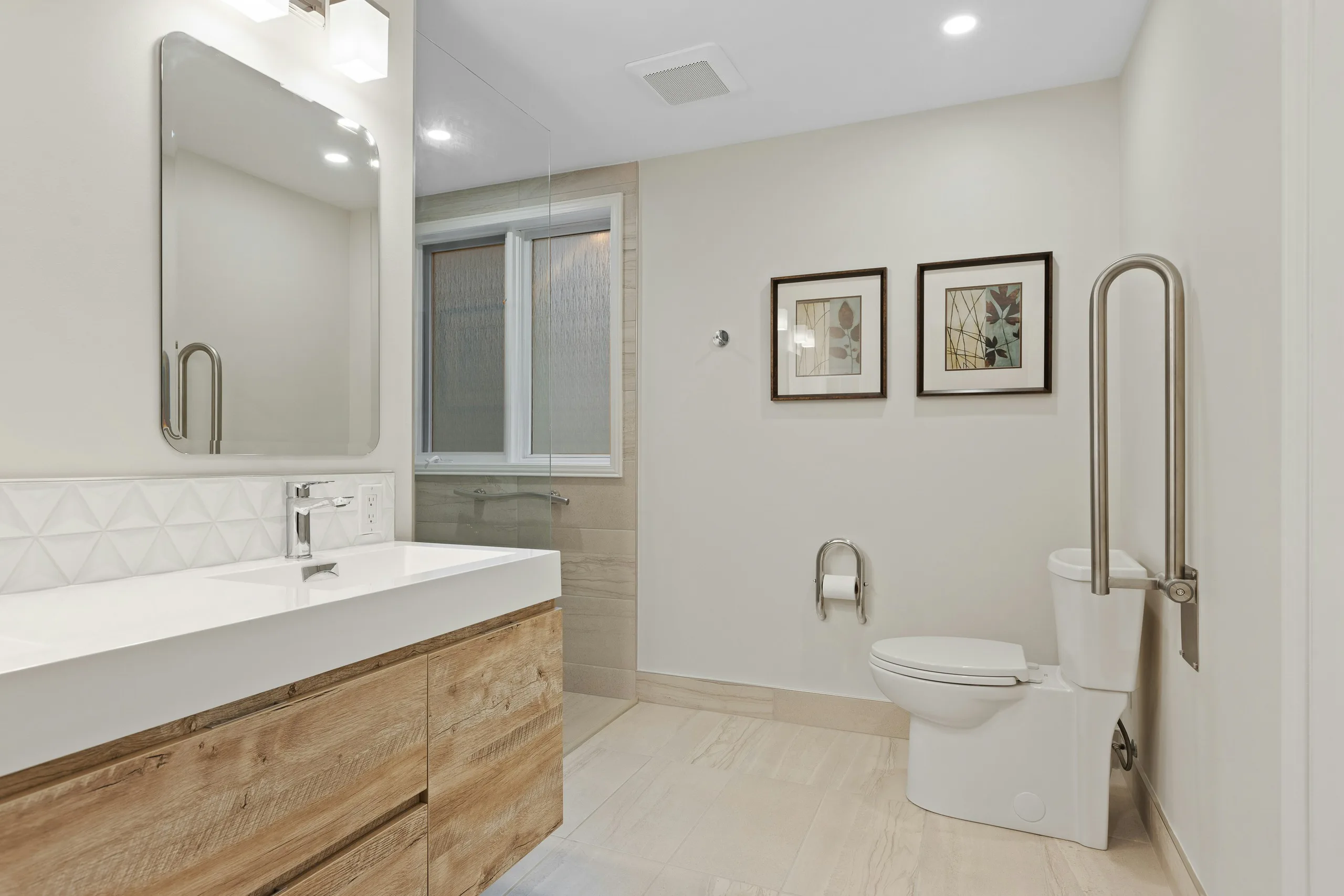
A mobility bathroom is a bathroom that has been designed or adapted so that it can be used safely, comfortably, and independently by people of all ages and abilities. Rather than a single product, it is a combination of design choices and fittings that work together to reduce hazards and make everyday routines easier to manage.
In practice, this usually means removing physical barriers such as high bath sides or raised shower trays, improving grip and traction underfoot, and positioning fittings such as toilets, basins, and seating at heights that are easier and safer to use. Accessible bathroom design takes into account how a person actually moves through the space, not just how the room looks.
Many homeowners assume that an accessible bathroom must look clinical or institutional, but this is rarely the case today. Contemporary mobility bathroom design draws on the same tiles, finishes, and fittings used in any modern renovation. The real difference lies in the underlying layout decisions: where the shower drain sits, how wide a doorway opens, how much clear floor space is left for turning, and where support fittings are positioned for genuine, practical use rather than appearance alone.
It can help to think of a mobility bathroom as existing on a spectrum rather than a fixed checklist. At one end, a household might add a single grab rail beside the bath or a non-slip mat in the shower. At the other end, a full wet room conversion might be carried out, with a tanked, level-access floor, a wider doorway, and fittings repositioned throughout. Most households fall somewhere in between, choosing the combination of features that best matches their needs, their budget, and the physical limitations of their existing property.
- Designed around how the bathroom is actually used day to day
- Supports independence without compromising on style
- Can be a full wet room conversion or a series of smaller adaptations
- Helps support safer daily living for the whole household, not just one person
Who Can Benefit From a Mobility Bathroom?
Accessible bathroom design isn't only for one type of household. It supports a wide range of people at different stages of life, often within the very same family.
Older Adults
Helps reduce the risk of slips and falls while supporting the confidence to continue living independently at home for longer.
Wheelchair Users
Level-access wet rooms and wider clear floor space make manoeuvring, transferring, and using bathroom fittings far more practical.
Individuals With Limited Mobility
Grab rails, shower seating, and slip-resistant flooring make daily bathing routines safer and less physically demanding.
People Recovering From Injury
A temporary or permanent adaptation can make the bathroom safer to use during recovery and rehabilitation periods.
Family Carers
Well-designed accessible bathrooms reduce physical strain on carers and make assisted bathing routines safer for everyone involved.
Future Planning Homeowners
Planning accessibility improvements ahead of time can make later renovations simpler and help a home suit changing needs.
Mobility Bathroom Features
Most accessible bathrooms combine several of the features below, tailored to the layout of the property and the needs of the people using it.
Walk-In Showers
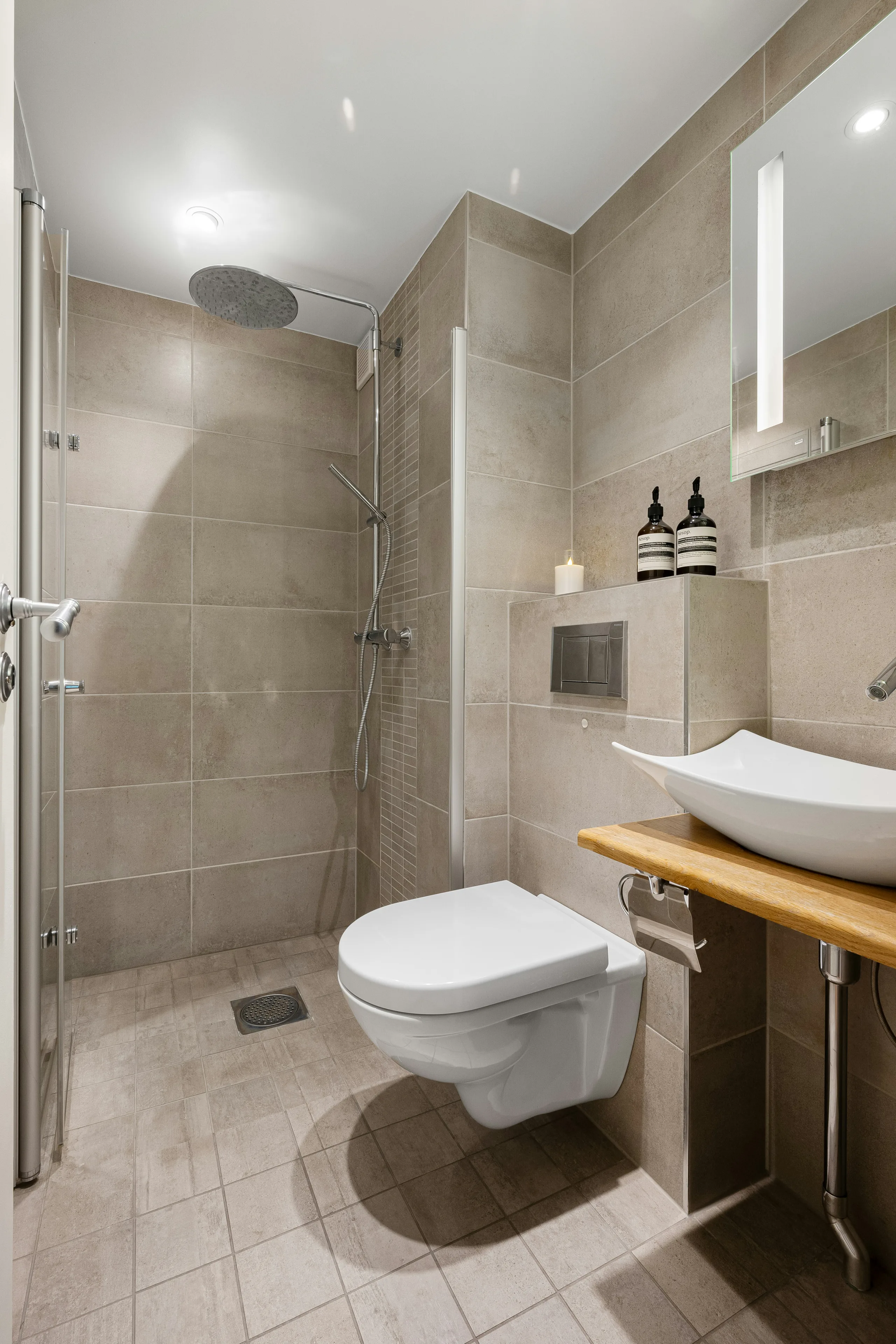
A low or level threshold removes the need to step over a bath edge, reducing trip and slip hazards while keeping the design clean and contemporary.
Wet Rooms
A fully tanked, level-access space with no shower tray or step. Ideal for wheelchair users and households planning for long-term accessibility.
Grab Rails
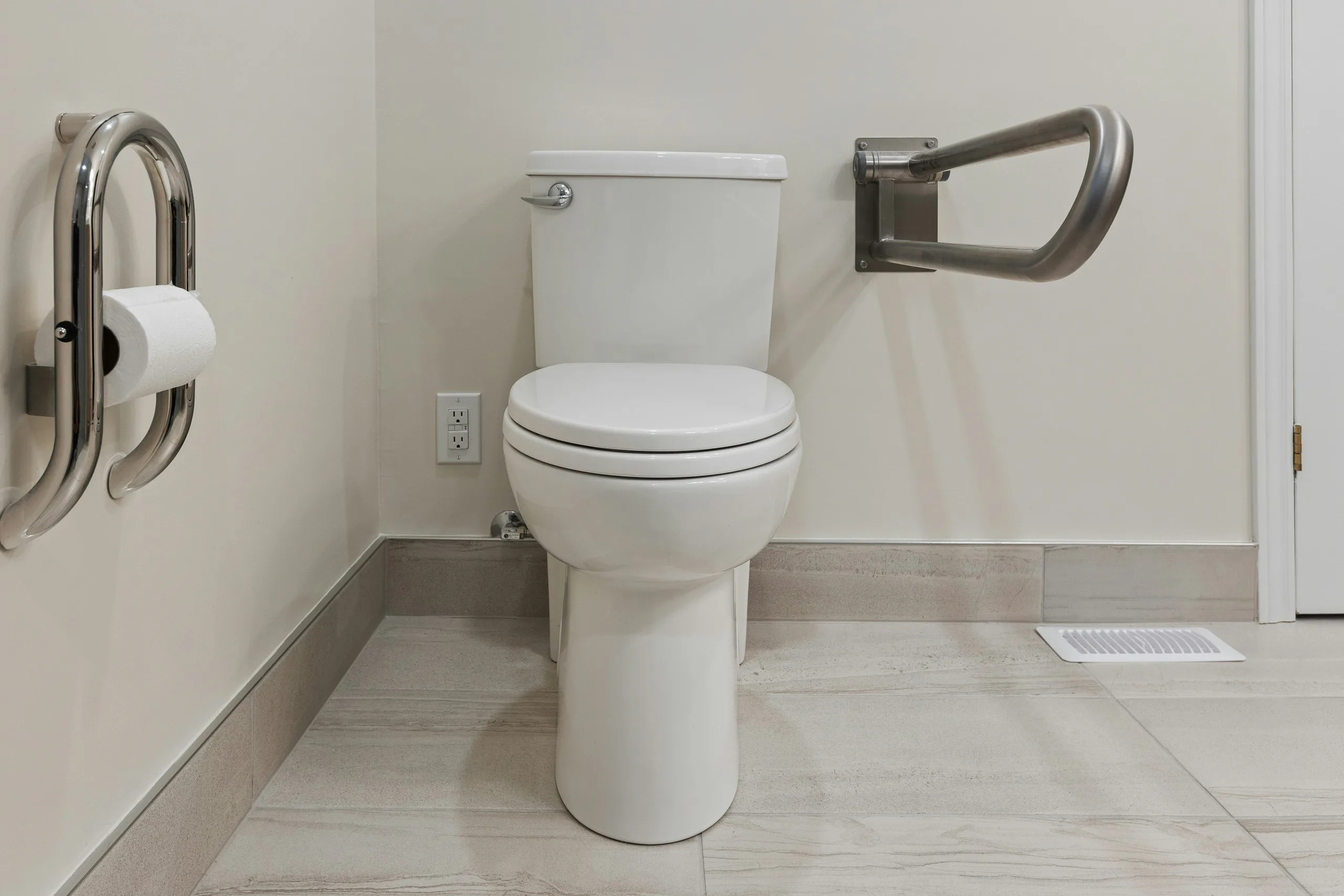
Positioned beside showers, baths, and toilets, grab rails provide stable support for standing, sitting, and moving safely around the bathroom.
Comfort Height Toilets
Raised slightly above a standard toilet, these reduce the strain of sitting down and standing up for people with limited knee or hip mobility.
Slip-Resistant Flooring
Textured, water-resistant flooring significantly reduces the chance of slipping, particularly in showers and wet rooms where surfaces stay damp.
Shower Seating
Fold-down or fixed seating allows showering while seated, reducing fatigue and the risk of losing balance while standing.
Accessible Basins
Wall-mounted basins with clear space beneath allow easier access for wheelchair users and those who need to sit while washing.
Wheelchair Accessible Layouts
Wider doorways, turning space, and thoughtful fitting placement allow a wheelchair user to move through the bathroom with ease.
Benefits of Accessible Bathroom Design
Bathrooms are one of the most common locations for falls in the home. Thoughtful accessible design addresses this directly while also improving everyday comfort.
The bathroom combines several conditions that increase fall risk: wet, slippery surfaces, hard tiled edges, and movements such as stepping over a bath rim or lowering onto a low toilet seat. For someone with reduced strength, balance, or joint mobility, these everyday actions can become genuinely risky. Addressing them through thoughtful design is one of the most practical steps a household can take toward improving safety at home.
Improved Safety
Reducing trip hazards and improving grip underfoot.
Greater Independence
Supporting daily routines without needing constant assistance.
Reduced Fall Risk
Particularly around showers, baths, and toilets.
Easier Daily Routines
For both the individual and any carer involved.
Future-Proofing
Preparing the home for changing mobility needs over time.
Enhanced Quality of Life
A bathroom that genuinely works for the household.
It's worth noting that no single feature guarantees a particular outcome. Accessible design reduces known risk factors and supports easier daily routines, but the right combination of features always depends on the individual, the property, and an honest assessment of how the space is actually used.
Bathroom Adaptations for Independent Living
Ageing in place starts with small, practical decisions made early.
Home adaptations don't need to happen all at once. Many people start with a single change, such as adding grab rails or replacing a bath with a walk-in shower, and build from there as needs evolve. This staged approach can make accessibility planning more manageable, both practically and financially.
Ageing in place is increasingly recognised across Ireland as a realistic and desirable goal, supported by accessibility planning that considers the whole home, not just the bathroom. Long-term usability means thinking beyond current needs to anticipate how mobility might change in the years ahead.
Practical home improvements that support independent living often include widening doorways, improving lighting, levelling thresholds, and reorganising layouts so that frequently used items are within easy reach. In the bathroom specifically, this typically means addressing the areas where falls are most likely to happen.
A genuinely useful accessibility plan looks at the property as a whole and prioritises changes that offer the greatest improvement in safety and usability for the people who live there. Starting with an honest conversation about current routines, rather than assumptions about what "should" be installed, tends to produce far more useful recommendations.
Occupational therapists, when involved, can add real value to this process. Their training is specifically focused on how people interact with their environment, and a referral can help identify accessibility needs that might not be obvious from a general renovation perspective alone. Even where a formal occupational therapy referral isn't part of the process, the same principle applies: accessibility planning works best when it starts from how a person actually lives in their home, not from a standard list of features.
Understanding the Assessment Process
From your first enquiry through to installation arrangements, here is what to expect.
Initial Enquiry
You submit a short enquiry through our form, sharing a little about your situation.
Home Assessment
A qualified assessor visits to review your bathroom and discuss your specific requirements.
Accessibility Review
Your current layout, mobility needs, and property suitability are carefully reviewed together.
Solution Recommendations
You receive tailored recommendations that reflect your needs, preferences, and property.
Quotation & Planning
A clear, itemised quotation and project plan is prepared for you to review at your own pace.
Installation Arrangements
Once you're happy to proceed, installation is scheduled at a time that suits you.
Grants & Financial Assistance
Financial support may be available to help with the cost of certain bathroom adaptations in Ireland.
Housing Adaptation Grants
Local authorities across Ireland operate housing adaptation grant schemes designed to assist with the cost of works that improve accessibility for older people and people with disabilities. These schemes are administered locally, and the specific terms can vary between counties.
Local Authority Support
Each local authority manages its own application process and eligibility criteria. Some schemes are means-tested, and funding is often allocated on an annual basis, so timing and demand can affect availability.
Accessibility Funding Options
In addition to local authority grants, some households explore other funding routes such as personal savings, financing arrangements, or support through occupational therapy services, depending on individual circumstances.
Eligibility Considerations
Eligibility for grant schemes generally depends on factors such as household income, the nature of the works required, and an occupational therapy or medical assessment in many cases.
Mobility Bathrooms in Ireland
Across Ireland, the demand for accessible bathroom solutions has grown steadily as the population ages and more people choose to remain in their own homes for longer. Age-friendly housing has become a recognised priority in both national and local policy discussions, with home adaptations increasingly seen as a practical way to support independent living rather than a last resort.
This shift is visible in towns and cities alike, from older housing stock in city centres that often requires more significant adaptation work, to rural homes where access to specialist tradespeople can take longer to arrange. Whether you live in a busy urban suburb or a more remote rural setting, the underlying need is the same: a bathroom that works safely for the people using it.
Independent living support services, including occupational therapy assessments and local authority adaptation grants, continue to play an important role in helping households plan and fund accessibility improvements. As awareness grows, more homeowners are choosing to adapt proactively rather than waiting until a fall or health change forces the issue.
As an independent information resource, our aim is to help people throughout Ireland understand their options clearly, so that whether you live in a city apartment or a farmhouse in the countryside, you can make an informed decision about your own bathroom accessibility.
Counties We Cover
We help connect homeowners with accessibility assessment support in every county in the Republic of Ireland, from major cities to rural communities.
Why Planning Ahead Matters
Remaining in Your Own Home
Proactive adaptations can support your ability to stay in a familiar, comfortable environment for longer.
Reducing Future Renovation Costs
Planning accessibility features in early can sometimes be more straightforward than retrofitting after a health change.
Supporting Long-Term Independence
Addressing accessibility before problems arise helps you stay ahead of changing mobility needs, on your own terms.
Frequently Asked Questions
Straightforward answers to the questions we hear most often from homeowners across Ireland.
A mobility bathroom is a bathroom designed or adapted to be safer and easier to use for people with reduced mobility. It typically includes features such as walk-in showers, grab rails, slip-resistant flooring, and comfort height toilets, tailored to the individual's needs.
Costs vary widely depending on the scope of work, the property layout, and the specific features chosen. A small adaptation such as adding grab rails costs considerably less than a full wet room conversion. A home assessment is the most reliable way to get an accurate, personalised figure for your situation.
A walk-in shower has a low or level entry threshold instead of a step or bath edge to climb over. This reduces trip hazards and makes the shower easier and safer to enter and exit, particularly for people with limited mobility.
Housing adaptation grants are available through local authorities across Ireland, though eligibility criteria, funding levels, and processes vary by county. We recommend checking directly with your local authority or Citizens Information to confirm what may apply to your situation, as we cannot guarantee eligibility or approval.
Yes. Many households start with smaller, targeted changes such as adding grab rails, a shower seat, or replacing a bath with a walk-in shower, rather than undertaking a complete renovation. Adaptations can often be staged over time as needs change.
Timeframes depend on the scope of work. A simple addition like grab rails can often be completed in a day, while a full wet room conversion typically takes longer. Your assessor will provide a realistic timeframe once your requirements are understood.
Yes, wet rooms are one of the most accessible bathroom layouts available, as they remove the shower tray and any step, creating a level, open space that works well for wheelchair users and those with significant mobility challenges.
Slip-resistant flooring, grab rails, shower seating, comfort height toilets, and level-access showers all contribute to a safer bathroom. The right combination depends on individual needs and the layout of the existing space.
Yes. Wheelchair accessible layouts typically involve wider doorways, increased turning space, level-access showers, and fittings positioned at appropriate heights. A home assessment will confirm what's achievable within your property.
A comfort height toilet is set slightly higher than a standard toilet, which reduces the effort needed to sit down and stand up. This is particularly helpful for people with knee, hip, or general mobility limitations.
Yes. Modern accessible design has moved well beyond the clinical appearance often associated with older adaptations. Walk-in showers, wet rooms, and accessible fittings are now available in styles that suit a wide range of contemporary tastes.
A well-designed, modern bathroom adaptation can be a positive feature for many buyers, particularly as awareness of accessible and age-friendly housing grows. The overall impact on value depends on the quality of the work and the wider property market.
A home assessment is the best way to identify what's needed. An assessor will review your current bathroom, discuss your day-to-day routines and any mobility challenges, and recommend solutions suited to your property and circumstances.
An assessor visits your home, measures the bathroom space, asks about your specific mobility needs, and identifies practical options. You'll then receive recommendations and, if you wish to proceed, a written quotation.
Simply complete the enquiry form on this page. We'll arrange for a home assessment to be carried out so you can receive personalised, no-obligation recommendations for your bathroom.
Trust & Information You Can Rely On
We built this resource to give people across Ireland clear, honest information about accessible bathroom solutions, free from sales pressure. Our aim is to help you understand the options available before you ever speak with an installer.
Personalised assessments matter because no two homes, or two sets of needs, are identical. A recommendation that works well in one household may not suit another. That's why every enquiry submitted through this site leads to a tailored home assessment rather than a generic quote.
Accessibility planning is most effective when it's treated as an ongoing process rather than a one-off project. Needs can change gradually over months or years, and a bathroom that's planned with that in mind tends to remain genuinely usable for far longer.
Independent & Educational
An honest, pressure-free approach focused on helping you understand your options first.
Personalised Assessments
Recommendations based on your specific property, routines, and mobility needs.
Long-Term Usability
Focused on solutions that keep working as needs change, not just an immediate fix.
What People Are Saying
The home assessment was thorough and unhurried. Having the walk-in shower has made my morning routine so much easier and less worrying.
We were guided through the options clearly without being pushed into anything. The new wet room has genuinely improved my confidence getting around the bathroom.
As a carer for my mother, the grab rails and shower seat have made such a difference to how safely we manage her daily routine.
After my hip surgery, the comfort height toilet and accessible shower seating made recovery at home far more manageable than I expected.
The advice we received helped us plan ahead before any issues arose. The bathroom looks modern and works brilliantly for my husband's mobility needs.
Straightforward, professional, and genuinely focused on what we needed rather than upselling. The new layout has made a real difference at home.
Individual experiences may vary.
Request Your Free Mobility Bathroom Assessment
Tell us a little about your situation and we'll arrange a personalised, no-obligation home assessment to explore the right accessible bathroom options for your property.
- Explore bathroom adaptation options suited to your home
- Learn about accessibility solutions in plain, honest terms
- Arrange a consultation at a time that suits you
Thank you, your enquiry has been received
A member of our team will be in touch shortly to arrange your free home assessment.
Mobility Bathroom Resource Centre
Explore upcoming guides covering costs, design ideas, grants, and accessibility planning across Ireland.
Mobility Bathroom Costs in Ireland
A practical overview of what influences pricing for accessible bathroom adaptations.
Walk-In Shower vs Wet Room
Understanding the key differences to help decide which suits your home and needs.
Bathroom Safety Tips for Older Adults
Simple, practical steps to reduce fall risk in the bathroom every day.
Housing Adaptation Grants Explained
An introduction to how local authority adaptation grants generally work.
How to Future-Proof Your Bathroom
Accessibility features worth considering even before they're strictly needed.
Accessible Bathroom Design Ideas
Modern, attractive approaches to accessible bathroom design.
Mobility Aids for the Bathroom
An overview of common aids that support safer, more independent bathing.
Independent Living at Home
How small adaptations across the home can support long-term independence.
Wet Rooms for Wheelchair Users
Key design considerations for a genuinely wheelchair-friendly wet room.
Choosing Bathroom Grab Rails
What to look for when selecting grab rails for different needs.
Age-Friendly Home Modifications
Beyond the bathroom: a wider look at age-friendly home improvements.
Common Bathroom Accessibility Mistakes
Pitfalls to avoid when planning an accessible bathroom adaptation.
Bathroom Adaptations After Injury
Practical considerations for adapting a bathroom during recovery.
Accessibility Improvements for Small Bathrooms
Making the most of limited space without compromising on safety.
Planning a Mobility Bathroom Renovation
A step-by-step look at what to expect from enquiry to completion.